

Best Golf Drivers for Mid Handicappers on a Budget this Spring
🏆 Top Picks at a Glance
 #1
#1
Best Overall
Performance Golf SF1 Driver I Square Face Technology I Enable Straight Shot or Controlled Cut
$299.0
Check Price →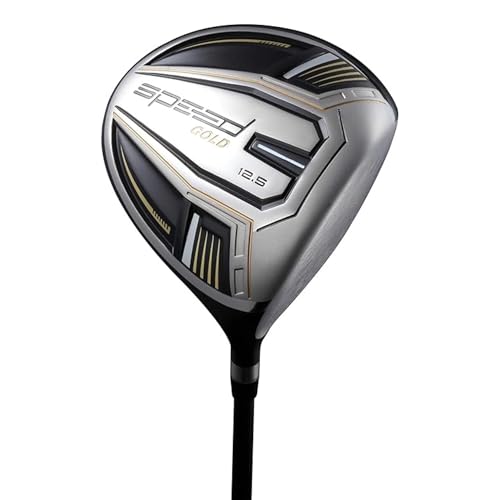 #2
#2
Runner Up
Speed System Golf Titanium Driver Golf Club, Loft Lightweight Graphite Shaft, Oversized Sweet Spot, Aerodynamic, USGA Conforming Mens Driver + Deluxe Headcover - Gold 12.5° Loft, Left
$114.99
Check Price → #3
#3
Best Value
Speed System Golf Titanium Driver Golf Club, Loft Lightweight Graphite Shaft, Oversized Sweet Spot, Aerodynamic, USGA Conforming Mens Driver + Deluxe Headcover - Blue 11.5° Loft, Right
$109.99
Check Price →Our Top Picks
Affiliate disclosure: if you buy through these links, we may earn a commission at no extra cost to you.
Factors to Consider
Loft, launch, and spin management
⚡ Quick Answer
For mid-handicappers, a driver with adjustable loft helps you dial in a launch angle that optimizes carry without ballooning spin. Start in roughly the mid-to-high 9s to low 12s of loft and be prepared to tweak by a degree or two as your swing changes with the season. A good fit balances launch angle with spin rate so you maximize ball speed while keeping enough height to carry greens from the tee.
Table of Contents
Forgiveness, MOI, and mis-hit tolerance
Look for high-MOI designs that resist twisting on off-center hits; this typically translates to tighter dispersion and more forgiving shots when you mis-time a swing. Modern budget drivers still emphasize forgiveness without sacrificing essential feel, so you can keep your scoring relatively stable even on imperfect contact. In fitting data, higher MOI correlates with better distance retention on mis-hits, which is a real benefit for mid-handicappers who don’t hit the sweet spot every time.
Shaft selection and swing speed
The shaft flex and kick point matter more than you might think: a too-stiff shaft can push spin down and lower launch, while too-soft a shaft can balloon launch and rob control. For most mid-handicappers swinging roughly 85–100 mph with a driver, a Regular or Senior shaft in the stock lineup is often a solid starting point; upgrade only if you consistently see three or more missing-left or missing-right fairways due to launch issues. Remember, the right shaft enhances launch angle and smash factor by keeping ball speed stable across swings.
Adjustability and simple hardware on a budget
Adjustable drivers let you tune loft, face angle, and weight distribution to suit your swing, which can shave strokes once you find a stable setup. On a budget, prioritize models with the most forgiving head shape and reliable stock shafts rather than chasing every dial; you’ll still capture the benefits of a modern cavity-back design and easier alignment. Be wary of gimmicky adjustability claims; the real gains come from a consistent setup that reduces miss-hit dispersion.
Fit, value, and making the most of a budget
Value in a budget driver means a forgiving head, a sensible weight distribution, and a shaft that matches your tempo rather than flashy marketing. Compare models by how they perform on a launch monitor: launch angle stability, spin rate, and smash factor are the numbers that translate to real-world scoring gains more than a glossy finish. If you’re between models, a tried-and-true 460cc, high-MOI design with a regular-strength stock shaft is usually the best balance of performance and price for a mid handicapper this spring.
Frequently Asked Questions
What loft should I start with on a driver as a mid-hander?
Most players benefit from a driver loft in the 9 to 12-degree range, with adjustments up or down by a degree or two based on swing speed and launch. If your ball flight is too low and spinning too fast, try a touch more loft; if you’re ballooning with little carry, back off a degree. The key is finding a launch angle that optimizes carry distance while keeping spin in a controllable range.
Do I really need adjustable features on a budget driver?
Adjustability helps you tune the ball flight as your swing evolves, which can shave strokes during a fitting session. Research and fitting data show that players who dial in loft and face angle can improve dispersion and consistency. If you’re between models, prioritize a forgiving head first, then consider adjustability as a secondary benefit.
What does MOI mean, and why does it matter for my scores?
MOI (moment of inertia) measures how resistant a club is to twisting on off-center hits. Higher MOI tends to produce straighter, more forgiving shots when you don’t strike the sweet spot, which directly helps dispersion and scoring consistency. For mid-handicappers, that forgiveness often translates to lower missing-left/right penalties and more reliable distance control.
How important is shaft flex and kick point?
Shaft flex and kick point influence launch angle and spin rate; a mismatch can push you into too much or too little spin, robbing carry or adding draw/fade tendencies. If your swing speed is around 85–100 mph, a Regular or Senior shaft is a solid starting point; try a half-inch rung in length if you’re lacking control or feeling too wristy at impact. A fitting can confirm whether your shaft choice is helping or hurting speed retention and accuracy.
What should I look for to judge value in a budget driver?
Value is about performance per dollar. Look for a forgiving head (460cc, high MOI), a reliable stock shaft that matches your tempo, and proper grip size. If a model delivers consistent launch and acceptable spin without gimmicky features, it’s typically a better buy than a flashier option with questionable real-world benefits.
Is buying a used or refurbished driver a good idea?
Used or refurbished drivers can be a smart way to maximize bang-for-buck, especially for a mid-hander on a budget. Inspect the club head for dents, the face for excessive wear, and the shaft for cracks; ask for an honest shaft flex check and a return policy. Keep in mind that consistent condition often correlates with more stable launch and distance performance than you’d get from a brand-new, non-tested model.
What kind of performance gains should I realistically expect?
Switching to a modern, forgiving driver typically yields better dispersion and more stable ball flight, which can translate to more fairways hit and, in many cases, a few extra yards due to improved launch and carry. Don’t expect dramatic distance gains unless your swing and contact also improve; the biggest wins usually come from more consistent launch, lower miss dispersion, and higher smash factor on solid strikes.


