

Best Golf Balls for Mid Handicappers on a Budget this Spring Season Before St Patrick's Day
🏆 Top Picks at a Glance
 #1
#1
Best Overall
Best Practice Golf Balls on The Planet. Perfect for Golf Training. Solid Contact for Great Feedback. Limited Flight for Backyard use. Safe for Indoors. by AlmostGolf (10 Pack Yellow)
$24.95
Check Price →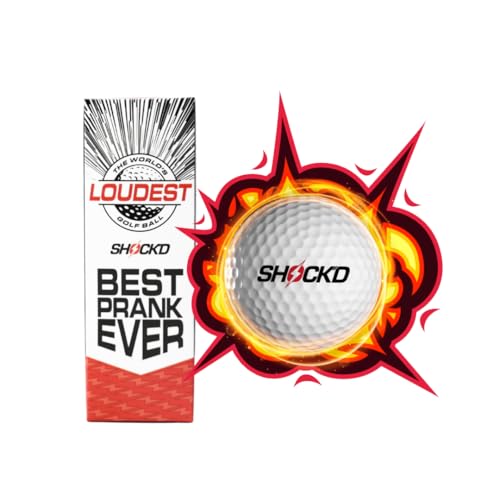 #2
#2
Runner Up
SHOCK'D GOLF BALLS - The World's Loudest Golf Ball - Viral Prank Ball (Sleeve of 3, Novelty) - Red Dot Button
$19.99
Check Price →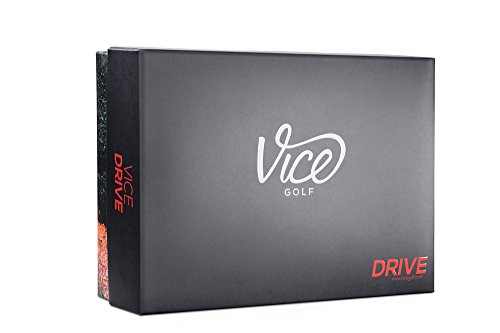 #3
#3
Best Value
Vice Drive Golf Balls (Package May Vary)
$18.48
Check Price →Our Top Picks
Affiliate disclosure: if you buy through these links, we may earn a commission at no extra cost to you.
Factors to Consider
Ball Construction: Two-piece vs Multi-layer
⚡ Quick Answer
Two-piece balls blend a large core with a durable ionomer cover, delivering forgiving distance and lower spin on full shots. They tend to launch higher and roll out more, which helps when your swing isn’t hitting the sweet spot consistently. For mid-handicappers who want dependable dispersion, a solid two-piece model is the pragmatic starting point. If greenside spin and stopping power are your bigger concerns, you can explore budget-friendly multi-layer options later.
Table of Contents
Spin, Launch, and Distance Balance
Choose a ball that helps you optimize launch angle and spin rates for your swing speed. Many mid-handicappers benefit from lower long-game spin paired with a stable mid-trajectory to tame dispersion, while still having enough greenside spin to hold approach shots. The goal is predictable, repeatable results rather than chasing every new marketing claim. Real-world testing suggests the performance gap within a price tier is smaller than players expect, so your swing is the real equalizer.
Cover Material and Durability
Urethane covers provide the most greenside spin and control, especially on approach shots, but they wear faster and cost more. Surlyn or ionomer covers are tougher and cheaper, offering durable distance with respectable feel for most mid-handicappers. If you frequently play firm greens or abrasive turf, durability can outweigh a few extra yards of spin. In short, reserve urethane for when you know you’ll maximize that spin with solid technique.
Compression, Feel, and Swing Speed
Compression describes how soft the ball feels at impact and interacts with your swing speed. Slower swing speeds typically benefit from lower compression balls for better carry and a softer feel; mid-range speeds respond well to mid-range compression for a balance of feel and distance. If you value touch around the greens, softer balls can boost confidence on short shots and partial wedges. Remember, feel is subjective—test on the range to see what translates to the course for your swing.
Budget, Durability, and Value
Budget balls offer solid value for mid-handicappers when you factor in durability and price-per-round. The gap to premium models is real but often modest for many players; the biggest gains come from consistent practice and fitting your swing rather than chasing the latest gloss. Look for models labeled “soft feel” or “distance” in a two-piece or budget-friendly three-piece option and compare on the range, not just in-store. In springtime, a dependable two-piece ball with robust durability is a smart starting point.
Frequently Asked Questions
1. What’s the difference between 2-piece and 3-piece golf balls, and which should I buy?
Two-piece balls are generally more forgiving, with lower spin off the driver and better durability, which helps with mis-hits and keeping dispersion tight for mid-handicappers. Three-piece balls offer more greenside spin and a softer feel, but they cost more and can be less forgiving if your contact isn’t clean. For most mid-handicappers, starting with a reliable two-piece ball is sensible; upgrade to a budget-friendly urethane option if you want more control around the greens and are willing to trade a touch of forgiveness.
2. Do budget balls perform as well as premium balls?
Distance and feel are often similar enough for the average mid-handicapper, with the main differences appearing in greenside spin and feel. Independent testing and reviews typically show only modest gaps between budget and premium balls for most players; the biggest improvements usually come from technique and practice. If you’re optimizing score, prioritize fitting your ball to your swing speed and short game style rather than chasing a higher price tag.
3. How does ball compression affect feel and distance for my swing speed?
Lower compression balls feel softer and can improve carry for slower swing speeds, while mid-range compression works well for many players with average speed. For swing speeds in the commonly cited mid-range, a mid-compression ball often balances feel and distance without sacrificing too much one way or the other. Test on the range to see how your contact and smash factor respond, because feel is personally meaningful on half shots and around the greens.
4. Will a urethane-covered ball improve my short game spin?
Yes, urethane covers typically deliver more greenside backspin and stopping power than surlyn, which can help hold firm or green-front pins. That said, spin only helps if your technique is solid—without clean contact and correct wedge path, extra spin won’t save your misses. If your short game is inconsistent, pairing a urethane ball with focused wedge practice can yield the best returns.
5. Are distance-focused balls good for mid-handicappers?
Distance-focused balls can help with launch and carry if you struggle to get airborne, but they often trade off greenside spin and feel. For many mid-handicappers, the best path is to use a ball that supports a stable launch and predictable spin around the greens, rather than chasing maximum distance. If you’re consistently hitting long carries but leaving approach shots short, a distance-oriented option can help; otherwise, a more balanced ball is usually smarter.
6. How should I test balls on a budget?
Buy 2-3 different models and compare them on the range or course side-by-side, paying attention to feel, launch angle, and dispersion patterns. If you can, use a radar or launch monitor to compare ball speed, launch, and approximate spin; otherwise, log your carry, total distance, and greenside results over several holes. The goal is repeatable outcomes across 9–18 holes, not a single perfect shot.
7. What should I look for on packaging beyond “soft feel” and “distance”?
Look for explicit notes about driver spin, greenside spin, and compression ranges, and match them to your swing speed. Some brands publish independent lab data or testing results that can help you compare balls more objectively. Prioritize models that align with your typical launch angle and shot shape, and avoid gimmicky claims that don’t translate to course performance.
Conclusion
For a mid-handicapper on a spring budget, start with a solid two-piece ball that delivers predictable launch and durability. If your short game needs more stopping power, try a budget-friendly urethane ball and compare on the range; you’ll likely gain more confident iron and wedge shots without breaking the bank. My recommendation is to test 2-3 options that fit your swing speed and practice routine, then lock in the one that consistently lowers your total score per round.


