

How to Choose the Best Golf Clubs for Beginners on a Budget This Spring
⚡ Quick Answer
Getting into golf isn’t just about swinging well; it’s about having the right gear that improves your game without breaking the bank. For beginners, especially those on a budget, the right set of clubs can set the foundation for consistent shots and lower scores. Knowing what features matter—and what marketing hype to ignore—can make all the difference in choosing equipment that helps you develop good swing habits and builds confidence on the course.
Table of Contents
This guide will walk you through the key considerations when selecting affordable golf clubs. From drivers and irons to wedges and putters, you'll learn how to spot clubs that suit your swing and handicap, ensuring your investment makes a real difference on the scorecard.
Our Top Picks in Detail
Affiliate disclosure: if you buy through these links, we may earn a commission at no extra cost to you.

TaylorMade Golf Qi4D Driver 9 Degree Stiff Mens Right Hand Mid Rotation Reax Blue
$649.99Check Price →This is the pick to look at first if you want a reliable, well-rounded option that handles everyday use without unnecessary compromises. TaylorMade Golf Qi4D Driver 9 Degree Stiff Mens Right Hand Mid Rotation Reax Blue delivers solid performance across the features that matter most in this category.
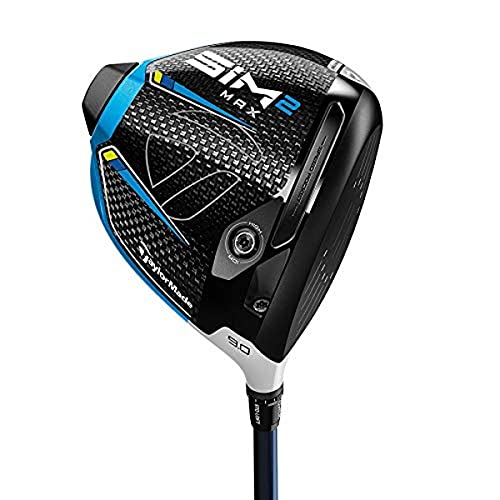
TaylorMade Golf SIM2 Max Driver (Mens, 9 Degree, Right Hand, Ventus Blue, Stiff)
$349.95Check Price →If the top pick doesn't quite fit your situation, TaylorMade Golf SIM2 Max Driver (Mens, 9 Degree, Right Hand, Ventus Blue, Stiff) is worth a close look as a capable alternative that still covers the essentials well.

TaylorMade Golf SIM 2 MAX DRIVER 10.5 DEGREE MENS RIGHT HAND GRAPHITE REGULAR
$344.44Check Price →For buyers who want the most for their money without sacrificing the features that actually matter, TaylorMade Golf SIM 2 MAX DRIVER 10.5 DEGREE MENS RIGHT HAND GRAPHITE REGULAR is the practical choice at this price point.
Why Your Gear Matters as a Beginner
While your swing fundamentals are the most important factor in scoring, having suitable clubs can significantly reduce frustration and help you learn faster. Clubs that match your swing speed, height, and attack angle will increase your launch conditions and consistency. For example, a driver with too stiff a shaft can kill your path and reduce distance, while a beginner-friendly driver with a more flexible shaft can help you generate better launch angles and higher launch with less effort.
Quality clubs designed for beginners focus on forgiveness—meaning they’re more tolerant of off-center hits—making it easier to find the fairway. Don’t fall into the trap of thinking more expensive gear automatically improves your game; many budget clubs from reputable brands offer surprisingly good performance if you understand what to look for.
Choosing the Right Driver, Irons, and Wedges
The driver often gets the most attention, but for beginners, the goal is consistency. Look for a driver with a forgiving face, a larger sweet spot, and a loft around 10.5°–12°. Modern game-improvement drivers have perimeter weighting and technologies like a lowered center of gravity, which help with higher launch and less spin—both critical for gaining distance and control.
When selecting irons, consider starting with a cavity-back set that offers forgiveness and a decent weight distribution. A 6-iron or 7-iron with a wide sole helps reduce turf interaction issues common among beginners. Wedges are essential for scoring; opt for a pitching wedge (44°–46° loft) and a sand wedge (54°–56°). These clubs are more forgiving and help with distance control around the greens.
Selecting Putters and Golf Bags
A good putter can shave strokes off your game quicker than any other club. For beginners, a mallet-style putter with alignment aids helps square the face at impact and encourages a more consistent stroke. Look for a putter with a balanced weight distribution to increase stability—this makes distance control and direction easier.
When choosing a golf bag, prioritize lightweight, stand-style models that are easy to carry and organize. Consider one with multiple dividers to keep clubs separated, which speeds up setup and prevents damage. Budget options often include simple carry bags or cart bags; pick what suits your typical course style and budget.
Rangefinders, Golf GPS & Tech Aids
Rangefinders and GPS gadgets can dramatically improve your course management, helping you choose the right club and avoid hazards. A laser rangefinder provides precise yardages, but for beginners, a budget-friendly GPS watch or handheld device offers quick insights without the complexity. Use these tools to learn how yardage affects club selection, especially for your irons and wedges.
Remember, these devices don’t replace solid shot-making; they supplement good decision-making to keep your game growing. Choose one that’s simple enough to use and fits your budget—many affordable options deliver reliable yardages without the marketing hype.
Golf Shoes, Gloves, and Training Aids
Proper footwear enhances stability and balance during your swing—look for waterproof, comfortable shoes with non-slip soles. Starting with a basic, supportive pair is sufficient; don’t feel compelled to buy the most expensive model initially.
Golf gloves improve grip—especially in humid conditions—and help prevent blisters. Beginners often benefit from a glove on their lead hand (left hand for right-handed golfers). Experiment with different sizes and materials; a standard leather glove is good for feel and durability.
Training aids like alignment sticks or swing trainers can accelerate learning. They’re inexpensive and help develop proper posture, alignment, and swing path without requiring a coach. Use them consistently during practice sessions for faster progress.
Frequently Asked Questions
Can I really find good budget clubs that are forgiving?
Absolutely. Many reputable brands offer entry-level sets with forgiving cavity-back irons and forgiving drivers that help beginners develop confidence and consistency. Used or demo clubs are also a smart way to save money without sacrificing quality.
What shaft flex should I look for as a beginner?
Most beginners benefit from regular or senior flex shafts, which are more flexible and help generate more distance and better launch without demanding a fast swing. Get fitted if possible, but these are safe starting points.
Is it worth buying expensive balls or should I stick with budget ones?
For beginners, budget-grade golf balls that offer decent spin and durability are perfectly fine. The key is avoiding extremely cheap balls that lack control and longevity. As your game advances, you can upgrade for better spin and control around the greens.
Should I buy a complete set or individual clubs?
For most beginners on a budget, a quality complete set is the best starting point. It ensures properly matched clubs and covers all the game’s fundamentals. You can gradually upgrade individual clubs over time based on your specific needs.
How much should I expect to spend on a decent beginner set?
Expect to spend around $300–$500 for a complete, reliable set from reputable brands. Focus on getting clubs with good reviews and performance rather than the flashiest looks or marketing claims.
Choosing the right gear as a beginner doesn’t mean overspending; it means making smart decisions about what helps your game progress. Focus on clubs that promote consistency, forgiveness, and confidence. Use this season to learn your distances, develop good fundamentals, and enjoy the game—your equipment is just the tool to support your journey.
Next step: Visit a local shop or demo day to try different clubs, get fitted, and find the best affordable gear that works for your swing. Happy hitting!


