

How to Choose the Right Drivers
⚡ Quick Answer
Picking the right driver isn’t about the latest marketing hype or chasing the longest ball. It’s about understanding your game—your swing speed, launch conditions, and typical shot shape—and matching those to a driver that enhances consistency and accuracy. For mid-handicap players and scratch golfers alike, a well-fitted driver can shave strokes off your score by delivering better distances, more forgiveness, and better control.
Table of Contents
In this guide, I’ll walk you through the essential factors to consider, beyond the flashy marketing claims, to find a driver that truly works for your swing and improves your on-course performance.
Our Top Picks in Detail
Affiliate disclosure: if you buy through these links, we may earn a commission at no extra cost to you.
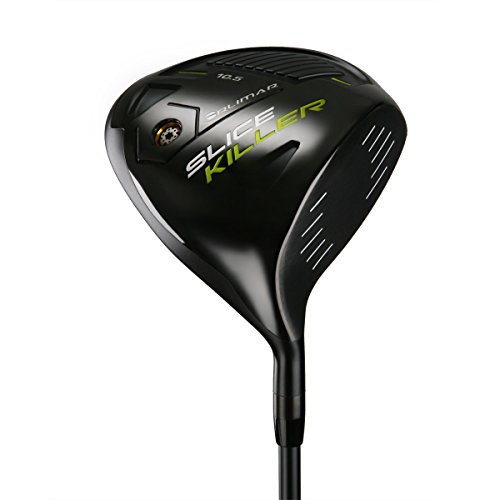
Orlimar Slice Killer Offset Driver Golf Club, Men’s Right Handed Senior Flex 12.5 Degree, Ultimate Closed Face Anti Slice Driver to Get Rid of Your Wicked Slice
$156.97Check Price →This is the pick to look at first if you want a reliable, well-rounded option that handles everyday use without unnecessary compromises. Orlimar Slice Killer Offset Driver Golf Club, Men’s Right Handed Senior Flex 12.5 Degree, Ultimate Closed Face Anti Slice Driver to Get Rid of Your Wicked Slice delivers solid performance across the features that matter most in this category.
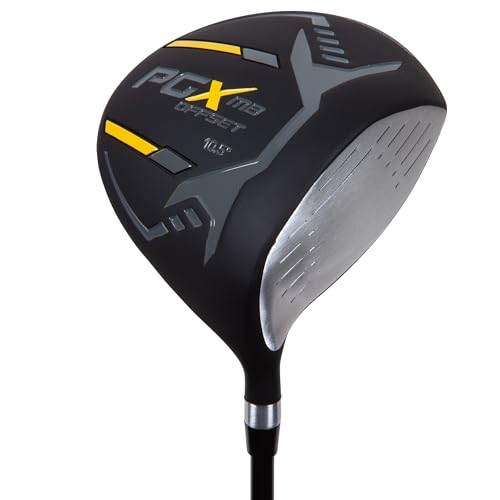
Pinemeadow PGX MB Offset Driver (Men's, Right Hand, Graphite, Regular)
$99.71Check Price →If the top pick doesn't quite fit your situation, Pinemeadow PGX MB Offset Driver (Men's, Right Hand, Graphite, Regular) is worth a close look as a capable alternative that still covers the essentials well.

COOLO Golf Driver for Beginner and Average Golfer, Designed for Forgiveness and Ease to Use, Men&Petite Women, 10.5/12 Degrees, Right&Left Handed, 460CC.(10.5°, Seniors, Right)
$99.0Check Price →For buyers who want the most for their money without sacrificing the features that actually matter, COOLO Golf Driver for Beginner and Average Golfer, Designed for Forgiveness and Ease to Use, Men&Petite Women, 10.5/12 Degrees, Right&Left Handed, 460CC.(10.5°, Seniors, Right) is the practical choice at this price point.
Understanding Your Swing and Launch Conditions
Before diving into specs and brand names, it’s essential to grasp how your swing influences driver choice. Your swing speed affects the optimal loft and shaft flex; slower swing speeds benefit from higher lofts to generate adequate launch and carry, while faster swings can handle lower lofts for flatter trajectories and potentially more roll out. Additionally, your typical launch angle and spin rate will determine whether you’re maximizing distance or controlling your ball flight.
Get a professional fitting or use launch monitor data if possible. Knowing your average launch angle, spin rate, and smash factor helps determine what driver settings will optimize your ball trajectory and spin profile—key elements to improving consistency and distance.
Loft and Launch Angle
The loft of the driver head is perhaps the most critical factor in controlling your launch angle. Modern drivers typically come from 9 to 13 degrees loft—more than enough to influence how high and far your ball will fly. If your ball tends to balloon or lacks roll, increasing loft by a degree or two can help lower spin and achieve a more penetrating ball flight. Conversely, if you struggle with hooking or lack enough height, a higher loft may give you more confidence in getting the ball airborne.
Remember, the goal isn’t to swing harder but to optimize launch conditions. While marketing often touts adjustable loft settings, the real benefit is finding a loft that matches your swing characteristics rather than chasing gimmicks.
Shaft Flex and Fit
The shaft flex—regular, stiff, or extra stiff—directly influences your control and ball speed. A shaft that's too stiff may result in lower launch and reduced distance, especially if you have a moderate swing speed. Conversely, too soft a shaft can lead to excessive spin and inaccuracy. Your shaft’s weight and bend profile also affect how you feel and control your driver during the swing.
Choosing the right shaft flex is about matching your swing tempo and speed. For the average 30-100 mph swing, a regular to stiff flex often provides the best balance of control and distance. Remember, a properly fitted shaft can improve energy transfer to the ball, resulting in a higher smash factor and better efficiency.
Club Head Design and Forgiveness
Club head shape and size influence not only aesthetics but also forgiveness and consistency. Larger clubfaces (460cc drivers) offer a bigger hitting area, reducing the impact of off-center strikes—crucial if you tend to miss the sweet spot. Modern driver faces feature variable thickness designs to optimize ball speed across a wider area, helping maintain distance even on mishits.
If your swing produces a lot of dispersion in direction or distance, prioritize forgiveness in the club head. Features like vertical inertia, face thickness, and perimeter weighting will help keep shots straighter and more consistent. However, be wary of buying just for looks; technology that boosts MOI and minimizes twisting at impact makes the biggest difference in scoring potential.
Fitting and Trying Before You Buy
Too many golfers choose drivers based on looks or price without testing them on the course or range. An accurate fitting experience involves trying multiple clubs with different lofts, shaft flexes, and head designs to see what produces the best combination of distance, accuracy, and feel.
Work with a golf professional or retailer with launch monitor technology. Simulate real-course conditions—adjust for wind, lie, and shot type—and consider how your ball flights change with each club. A good fit isn’t just about max distance; it’s about consistency and confidence in every swing.
Common Mistakes to Avoid
One of the biggest pitfalls is chasing after the latest marketing features—like spinning video faces or ultra-low lofts—without considering if they suit your game. Overspending on a high-tech driver that’s ill-fitted or based on hype will rarely lead to lower scores.
Another mistake is ignoring your own swing characteristics. A fast swinger with a smooth tempo needs different shaft flex and loft than a slower, more deliberate tempo. Also, don’t forget that shot shape, preferred ball flight, and typical miss are critical in choosing the right driver. Fitting is about tailoring technology to your game, not vice versa.
Frequently Asked Questions
Can I really tell which driver is best just by trying it on the range?
While hitting on the range is helpful, a proper fitting with launch monitor data provides insights into launch angle, spin, and efficiency—these are the real indicators of what works for your swing.
Is it worth paying for a custom fitting if I only play a few times a year?
Even occasional golfers benefit from fitting. A properly matched driver adds confidence and consistency, which often leads to better scores, even with limited play.
Should I buy a driver with adjustable loft?
Yes, if you’re still working to optimize your launch conditions or want to fine-tune your ball flight. Adjustability offers flexibility as your swing changes or conditions vary.
How much difference does shaft flex really make?
It’s significant. An ill-fitting shaft can reduce distance, cause mishits, or result in a ball flight that’s harder to control. Proper flex ensures better energy transfer and shot consistency.
Am I better off with a larger driver head or smaller?
Beginners and high handicappers usually benefit from larger, more forgiving heads. Advanced players might prefer smaller heads for workability, but forgiveness generally helps keep shots straighter and more consistent.
Choosing the right driver goes far beyond the box or a glossy ad. Focus on your swing, get fitted properly, and prioritize technology that enhances what you already do well. This approach will result in better distances, more confidence, and ultimately, lower scores. Take the next step with a professional fitting and experiment with different options—your game will thank you.


