

How to Choose the Right Golf Clubs
⚡ Quick Answer
For most golfers, selecting the right set of clubs can feel overwhelming—every brand promises better performance, but understanding what actually helps your game is key. Whether you’re a 30-handicap looking for more consistency or a single-digit player fine-tuning your equipment, knowing how clubs influence your shots is essential to lowering scores and enjoying the game more.
Table of Contents
Getting fitted properly and understanding the technical aspects of clubs—launch angle, spin rate, shaft flex—allows you to make smarter choices. This isn’t about chasing marketing hype; it’s about matching gear to your swing characteristics and course demands. Let’s break down what you need to know to choose clubs that truly serve your game, not just look good in the bag.
Our Top Picks in Detail
Affiliate disclosure: if you buy through these links, we may earn a commission at no extra cost to you.

TaylorMade Golf Qi4D Driver 9 Degree Stiff Mens Right Hand Mid Rotation Reax Blue
$649.99Check Price →This is the pick to look at first if you want a reliable, well-rounded option that handles everyday use without unnecessary compromises. TaylorMade Golf Qi4D Driver 9 Degree Stiff Mens Right Hand Mid Rotation Reax Blue delivers solid performance across the features that matter most in this category.
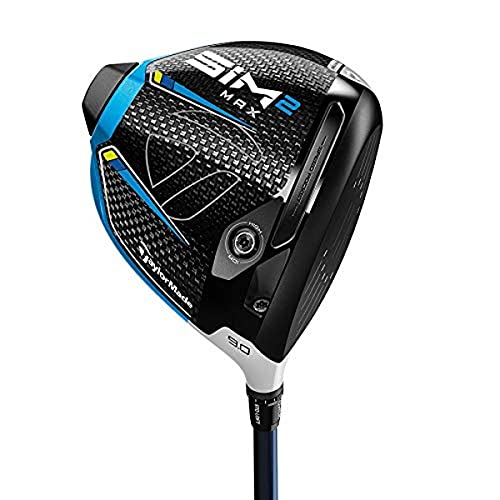
TaylorMade Golf SIM2 Max Driver (Mens, 9 Degree, Right Hand, Ventus Blue, Stiff)
$349.95Check Price →If the top pick doesn't quite fit your situation, TaylorMade Golf SIM2 Max Driver (Mens, 9 Degree, Right Hand, Ventus Blue, Stiff) is worth a close look as a capable alternative that still covers the essentials well.

TaylorMade Golf SIM 2 MAX DRIVER 10.5 DEGREE MENS RIGHT HAND GRAPHITE REGULAR
$344.44Check Price →For buyers who want the most for their money without sacrificing the features that actually matter, TaylorMade Golf SIM 2 MAX DRIVER 10.5 DEGREE MENS RIGHT HAND GRAPHITE REGULAR is the practical choice at this price point.
Understanding Your Swing and Goals
Before you even look at club models or brands, you need a clear picture of your swing and what you want to improve. Are you struggling with consistency? Do you need more carry distance? Or are you working on your short game? Your goals will influence the club specifications you should seek.
Getting a professional club fitting is arguably the best first step—it measures your swing speed, launch conditions, and face angle to recommend shaft flexes and club lengths that optimize your launch angle and spin. Remember, a driver that launches too low and spins excessively won’t maximize your distance, while an iron set that’s too stiff can hamper contact accuracy.
Choosing the Right Driver
The driver is the most critical club for distance and consistency. Factors such as loft, shaft flex, and head design all influence your launch angle and spin rate, which directly impact how long and straight you hit the ball. For example, a higher loft (10.5° or more) can help golfers with slower swing speeds generate better launch and carry, while lower lofts favor faster swings seeking max distance.
Look for driver heads with a larger face and perimeter weighting if forgiveness is a priority, especially for beginners or high handicappers. Many clubs feature adjustable hosels and weights, allowing you to fine-tune launch conditions to suit your swing. Beware of marketing claims—being fit into a shaft flex that matches your swing speed, rather than just sticking with what looks good, makes a real difference.
💡 Pro Tip: Spend time on the launch monitor to see which driver setup produces an optimal launch angle (around 12-15°) and spin rate for your swing speed. Improvements here lead to straighter, longer drives.
Selecting Irons for Precision and Forgiveness
Irons serve the dual purpose of accuracy and consistency—crucial for shooting lower scores. Game improvement irons typically feature wider soles, cavity backs, and perimeter weighting to promote higher launch angles and reduce side spin on mishits. These benefits help golfers find the center of the face more often, leading to better distance control and directional accuracy.
For skilled players seeking workability and shot-shaping, blades or players’ irons feature thinner faces and less forgiveness but greater control. Shaft flex and loft progression (from 7-iron to 3-iron) are also vital. Stiffer flexes suit faster swings, while more flexible shafts provide better feel and launch for slower swings.
Finding the Perfect Wedges
Wedges are your short game secret weapon—lob, sand, gap, and pitching wedges all serve different purposes around the greens. The key is selecting lofts that fill distance gaps in your scoring zones and choosing bounce angles that match your typical turf conditions and swing type. Higher bounce is better for softer, fluffy lies, while less bounce helps on firmer ground.
Spin rates on wedges determine how aggressively the ball stops once it hits the green. Modern wedges with grooves designed for spin help hold shots more reliably. Additionally, shaft material and grip comfort can influence finesse shots—feel is as important as technical specs here.
Picking a Putter That Instills Confidence
Putting is where many strokes are made or lost, and the right putter can boost your short game consistency. Look for a head shape that aligns with your eye and stroke style—whether blade, mallet, or high-MOI designs. Balance and weight distribution influence your feel and whether you have a smooth or more aggressive stroke.
Try different grips and lengths to see which gives you a natural pendulum motion. Pay attention to face alignment aids and grip comfort—these may seem minor but have a significant impact on actual putting stroke and confidence over the ball. Remember, consistent setup and feel matter more than the latest marketing hype.
Additional Gear to Support Your Game
Beyond clubs, investing in a quality golf bag, rangefinder, or GPS device can provide invaluable feedback and convenience. Rangefinders that measure to within a yard at various distances help you club more accurately and make smarter decisions, especially on unfamiliar courses. Golf GPS watches or handhelds can track your shot distances and keep score, translating data into better course management.
Proper golf shoes and gloves offer comfort and grip, translating to better swing stability and fewer mishits. Training aids—like alignment sticks or putting mirrors—support consistent mechanics. Remember, equipment that complements your swing quality, rather than merely looks impressive, is what truly elevates your game.
Frequently Asked Questions
Should I buy clubs off the rack or get custom fitted?
Always aim for a fitting if possible. Off-the-rack clubs can work, but a custom fit optimizes shaft flex, length, and lie angle to match your swing, leading to better contact and consistency.
How important is shaft flex in selecting clubs?
Shaft flex impacts launch angle, spin, and shot dispersion. A properly matched flex — whether regular, stiff, or senior — helps you achieve optimal launch and distance, especially with woods and irons.
What club loft should I start with as a beginner?
Most beginners benefit from a driver with around 10.5-12° loft, which encourages higher launch and more carry. Fairway woods and hybrids with slightly higher lofts can replace difficult long irons early on.
How often should I replace my golf balls or clubs?
Golf balls can last several rounds if kept in good condition. Replace them when they show significant wear or after about 15-20 rounds, depending on your play. Clubs, especially drivers, often last years—replace if they no longer perform or are damaged.
Is it worth upgrading my putter or just practicing more?
While practice can improve your putting, a well-fitted putter that feels natural can boost confidence and stroke control. Upgrading to a putter suited to your stroke can produce measurable scoring improvements.
Choosing the right golf clubs is about understanding your game, getting properly fitted, and selecting gear that enhances your natural swing—not just what looks good. By focusing on measurable performance factors—launch angle, spin, feel—you can build a setup that genuinely helps you shoot lower scores. The next step? Use this knowledge to get measured, try clubs on a launch monitor, and take your game to the next level.


