

How to Pick the Best Golf Wedges for High Handicappers on a Budget this St Patrick's Day Season
⚡ Quick Answer
Choosing the right wedge can drastically improve your short game, especially if you struggle with consistency around the greens. For high handicappers, a well-chosen wedge isn't about chasing the newest marketing hype — it’s about understanding what part of your game needs help and selecting equipment that enhances control, spin, and confidence without breaking the bank. With St Patrick’s Day season upon us, it’s the perfect time to score some great deals while upgrading your wedges for better scoring rounds.
Table of Contents
In this guide, we’ll break down exactly what features to look for, how to fit a wedge to your swing, and practical tips to get the most out of your budget. Whether you’re replacing one wedge or building a set, these insights will help you make smarter, informed choices that translate into lower scores.
Our Top Picks in Detail
Affiliate disclosure: if you buy through these links, we may earn a commission at no extra cost to you.

TaylorMade Golf Qi4D Driver 9 Degree Stiff Mens Right Hand Mid Rotation Reax Blue
$649.99Check Price →This is the pick to look at first if you want a reliable, well-rounded option that handles everyday use without unnecessary compromises. TaylorMade Golf Qi4D Driver 9 Degree Stiff Mens Right Hand Mid Rotation Reax Blue delivers solid performance across the features that matter most in this category.
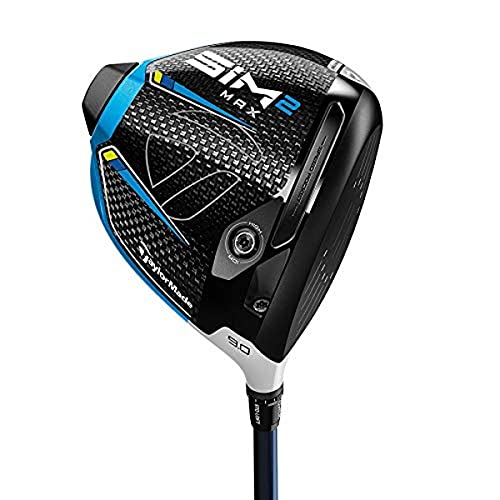
TaylorMade Golf SIM2 Max Driver (Mens, 9 Degree, Right Hand, Ventus Blue, Stiff)
$349.95Check Price →If the top pick doesn't quite fit your situation, TaylorMade Golf SIM2 Max Driver (Mens, 9 Degree, Right Hand, Ventus Blue, Stiff) is worth a close look as a capable alternative that still covers the essentials well.

TaylorMade Golf SIM 2 MAX DRIVER 10.5 DEGREE MENS RIGHT HAND GRAPHITE REGULAR
$344.44Check Price →For buyers who want the most for their money without sacrificing the features that actually matter, TaylorMade Golf SIM 2 MAX DRIVER 10.5 DEGREE MENS RIGHT HAND GRAPHITE REGULAR is the practical choice at this price point.
Understanding Wedge Types & Lofts
Golf wedges come in several types, primarily differentiated by loft angle—generally from around 46° up to 64°. The main categories are pitching wedges (PU), gap or approach wedges (GW), sand wedges (SW), and lob wedges (LW). Each serves a specific purpose — but for high handicappers, clarity about how they fit into your game is crucial.
For example, a typical sand wedge (54°–56°) is designed to help escape bunkers and hit high, soft approach shots. A lob wedge (60°–64°) is perfect for delicate flop shots or bunker shots from tight lies but can be difficult to control for those with less consistent swings. Understanding what each wedge does helps avoid confusion and reckless repetition of ineffective shots. Look for a setup where each wedge’s loft complements your current iron set and covers your usual scoring situations.
Choosing the Right Loft for Your Game
The key is matching your wedges to your typical yardages and shot types. High handicappers often benefit from more loft, which increases trajectory and spin, helping stop the ball quickly on greens. A common mistake is getting wedges with lofts that overlap or don’t cover important yardages in your short game. Use your yardage gaps to decide which wedges to carry — for example, if your 9-iron hits around 120 yards, then a gap wedge at 50–52° can help bridge the distance between your pitching wedge and sand wedge.
Practical tip: Spend some time during practice sessions—measure your typical distances for each wedge you carry using a rangefinder or GPS app. Then select wedges that fill those gaps without overlaps, ensuring each shot has a purpose and reduces double hits and skulled chips.
Shaft Flex & Grip Considerations
Most wedges come with steel shafts, often with a wedge-specific shaft flex—usually regular or stiff. If you have a moderate swing speed (around 80–90 mph), a regular flex is advisable. Faster swing speeds might get better control from a stiff shaft. However, for the typical high handicapper or senior golfer, a flex that promotes feel and spin is more important than raw power.
Grip size and texture also matter. Smaller grips improve feel for finesse shots, while larger grips can help prevent grip tension that leads to inconsistent strikes. Consider replacing the stock grip if it’s worn out or if you find your hands slipping during chips and pitches. This small upgrade can enhance control, especially on delicate short shots.
Budget-Friendly Wedge Options
High-quality doesn't need to mean expensive. Many manufacturers produce wedges that deliver good performance at a fraction of flagship prices. Look for previous generation models or buy lightly used clubs from reputable sources. Brands like Cleveland, Titleist, and callaway often release updated models but still have solid options in the used market.
For beginners on a tight budget, look for wedges with grooves in good shape—these deliver spin and stop on greens—regardless of flashy branding. Some affordable models come with wider soles or cavity backs that increase forgiveness on mishits, which is perfect for high handicappers. Always check the club's condition — grooves should be sharp and rack face free of excessive wear.
Practical Tips for Improving Wedge Play
Beyond selecting the right clubs, how you practice and execute shots makes a real difference. Focus on a consistent setup: grip, stance, and ball position. Use alignment aids and focus on controlling your launch angle and spin—these are key factors in holding shots on the green.
Try to practice short chips and pitches from various lies, especially from tight turf and sand. Experiment with different wrist hinges and swing lengths to find what produces workable trajectories. Don’t chase the perfect shot every time—accept that most shots around the green will require touch, not brute force. Building confidence with your wedges reduces mishits and enhances your ability to get up and down more often.
Frequently Asked Questions
Can I replace only one wedge, or should I upgrade my entire set?
If your current wedges aren’t performing well or don’t fill your yardage gaps, replacing just one could help. However, an entire set often improves consistency because wedges are designed with specific lofts and grind options that work together. Balance your budget with your needs.
What’s more important for high handicappers: more spin or better control?
While spin helps the ball stop and hold greens, control—predictability of shot shape and distance—is more critical for beginners. Focus on wedges that you can hit consistently where you aim, then work on spin and touch in practice.
Should I get bent wedges to match my lie angle?
Most wedges are designed with certain lofts and lie angles; bending them can help fit your stance. However, for high handicappers, the biggest benefit comes from choosing clubs with proper fit and forgiveness rather than custom bending—unless you're experiencing consistent mishits due to poor lie angles.
Are expensive wedges really better?
Not necessarily. Expensive wedges often feature advanced materials and grooves, but if they’re not suited to your swing or if you don’t practice regularly, the benefit is limited. Focus on fit, condition, and correct lofts first. Many budget-friendly wedges perform just as well if they’re in good shape.
How much should I spend on a wedge as a high handicapper?
Typically, $30–$70 per wedge offers excellent value, especially for used or last-generation models. Avoid paying full retail for clubs you won’t outgrow quickly. Remember, a great-fitting, forgiving wedge can save more strokes than a high-end brand name.
Choosing the right wedges on a budget is about understanding your game, filling your yardage gaps, and selecting clubs that give you confidence rather than just looking fancy. Focus on matching lofts, practicing control, and maintaining your gear — these steps will make a tangible difference in your scoring. Celebrate St Patrick’s Day season by upgrading wisely, and enjoy getting closer to the hole with every swing.

