

Wedges Buying Guide: What to Look For in 2026
🏆 Top Picks at a Glance
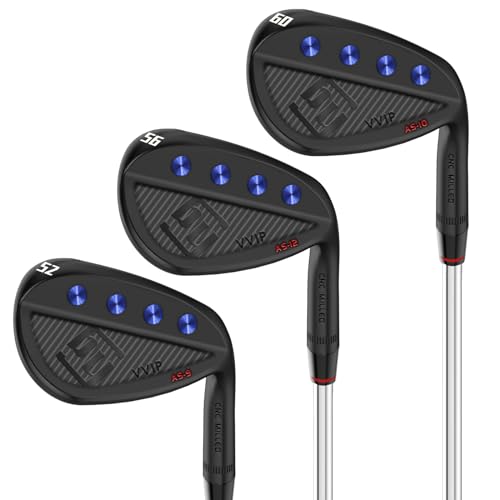 #1
#1
Best Overall
Yamato Full Face Golf Wedge Set or Individual Golf Wedges 50/52/54/56/58/60 Forged Golf Gap Wedge Sand Wedge Lob Wedge Golf Clubs Milled (Stainless Steel, 52 56 60 Degree Set, Regular, Right)
$119.99
Check Price → #2
#2
Runner Up
Ase Premium CM-1 Golf Wedge Set or Individual Golf Wedges - Full Face Grooves + Milled Face Wedges, Singles or Set for Men Lob, Gap, Sand Wedge 50/52/54/56/58/60 Degree Clubs
$109.99
Check Price → #3
#3
Best Value
ALVO GOLF Premium Golf Wedges 52/56/60 Sets or Individual Wedges - 52 degree Gap Wedge, 56 degree Sand Wedge, 60 degree lob Wedge Golf Club - Pitching Wedge for Men Right Hand - Wedges Golf - Max spin
$99.99
Check Price →⚡ Quick Answer
Wedges are arguably the most nuanced clubs in your bag, and choosing the right ones can make or break your short game. Whether you're trying to get up and down more often or add stopping power around the greens, understanding what to look for in wedges today is essential. With advances in manufacturing, technology, and design, 2026 offers some exciting options—if you know what truly matters.
Table of Contents
In this guide, I’ll break down how to evaluate wedges—from bounce and grind to shaft options—so you buy what genuinely improves your scoring, not just what looks good on social media or marketing hype.
Our Top Picks in Detail
Affiliate disclosure: if you buy through these links, we may earn a commission at no extra cost to you.
Yamato Full Face Golf Wedge Set or Individual Golf Wedges 50/52/54/56/58/60 Forged Golf Gap Wedge Sand Wedge Lob Wedge Golf Clubs Milled (Stainless Steel, 52 56 60 Degree Set, Regular, Right)
$119.99Check Price →This is the pick to look at first if you want a reliable, well-rounded option that handles everyday use without unnecessary compromises. Yamato Full Face Golf Wedge Set or Individual Golf Wedges 50/52/54/56/58/60 Forged Golf Gap Wedge Sand Wedge Lob Wedge Golf Clubs Milled (Stainless Steel, 52 56 60 Degree Set, Regular, Right) delivers solid performance across the features that matter most in this category.
Ase Premium CM-1 Golf Wedge Set or Individual Golf Wedges - Full Face Grooves + Milled Face Wedges, Singles or Set for Men Lob, Gap, Sand Wedge 50/52/54/56/58/60 Degree Clubs
$109.99Check Price →If the top pick doesn't quite fit your situation, Ase Premium CM-1 Golf Wedge Set or Individual Golf Wedges - Full Face Grooves + Milled Face Wedges, Singles or Set for Men Lob, Gap, Sand Wedge 50/52/54/56/58/60 Degree Clubs is worth a close look as a capable alternative that still covers the essentials well.
ALVO GOLF Premium Golf Wedges 52/56/60 Sets or Individual Wedges - 52 degree Gap Wedge, 56 degree Sand Wedge, 60 degree lob Wedge Golf Club - Pitching Wedge for Men Right Hand - Wedges Golf - Max spin
$99.99Check Price →For buyers who want the most for their money without sacrificing the features that actually matter, ALVO GOLF Premium Golf Wedges 52/56/60 Sets or Individual Wedges - 52 degree Gap Wedge, 56 degree Sand Wedge, 60 degree lob Wedge Golf Club - Pitching Wedge for Men Right Hand - Wedges Golf - Max spin is the practical choice at this price point.
Understanding Wedge Loft and Bounce
The first key to choosing a wedge is understanding loft and bounce. Loft determines the trajectory and distance—most wedges fall between 48° and 64°, with lob wedges at the high end for high, soft shots, and pitching wedges at the lower end for full swings. However, loft alone isn’t enough; bounce—the angle between the leading edge and sole—affects how the club interacts with turf and sand.
More bounce (10°-14°) helps prevent digging and is ideal in softer conditions or thick grass, while less bounce (4°-8°) is better for firm ground or tighter lies. Matching your typical turf conditions and swing type—more steeper angle of attack means more bounce—will ensure cleaner contact and more consistent spin.
Choosing the Right Wedge Grind and Sole Shape
Grind options modify the sole shape of the wedge, impacting how it performs around the greens. There are general categories—like 'all-purpose,' 'flock-grind,' or ‘full sole’—but each brand may have slight variations. For example, a “C-grind” typically features a beveled sole suited for versatile shots, while a “W-grind” may have heel and toe relief for more open-face shots.
The goal is to select a grind that matches your typical lies and swing. For instance, if you open the face frequently to add backspin or shape shots, a grind with more heel relief will prevent your club from digging. Conversely, if you mostly hit from tight lies or firm turf, a narrow, less-relieved sole helps avoid 'blading' shots.
Shaft Flex and Length Considerations
While shaft flex might seem less critical for wedges, it still impacts control and consistency. For most amateurs, standard shaft flex (regular or stiff) offers enough feel. If your swing speed exceeds 90 mph, a stiffer flex can help maintain accuracy, especially with full shots. Conversely, slower swing speeds benefit from more flex, providing better launch and spin.
Length is also important—most wedges are 35.5” to 36” long. A custom fit ensures the club length aligns with your posture and grip, which affects shot precision and the ability to consistently strike the ball cleanly.
Material, Groove Technology, and Spin Control
High-quality groove technology—like CNC-milled faces—creates more consistent spin and control. In 2026, many wedges feature grooves designed to maximize backspin, especially on soft greens where quick stops matter. Material choices, such as soft stainless steel or softer forged alloys, also influence feel and spin, but beware of marketing hype—more spin doesn’t always mean easier control, especially if your swing is inconsistent.
Look for wedges with grooves that comply with local rules (groove dimensions are regulated). Focus on those with proven milling and design rather than brand hype. A well-designed groove combined with your stroke dynamics is what really determines how much spin you can generate.
Fitting Your Wedge to Your Short Game
Different players use wedges for different shots—bump-and-run, flop, bunker shots, or delicate chips. The ideal setup involves having a variety of wedges—perhaps a 52° or 54° for full approach shots, a 58° or 60° lob wedge for high, soft shots, and a gap wedge for versatile use. Knowing your typical shot types will help you select wedges that complement your game.
Practicing with the wedges you buy—understanding their bounce, grind, and spin characteristics—is the best way to improve your short game. Remember, even the best gear won’t compensate for poor technique, but the right wedges can make your short game more predictable and enjoyable.
Your Next Step: Testing and Buying
In 2026, the best way to select wedges is to test different options on the course or a simulator. Pay attention to how they strike different lies, how they generate spin, and how they feel in your hands. Don’t get caught up in hype about the newest tech—focus on what helps you control your trajectory and spin.
Once you find a wedge that feels natural and produces consistent results, get fit if possible. Even small adjustments to loft, bounce, or shaft can dramatically improve your short game scores. Remember, a well-fitted wedge is an investment in lowering your handicap.
Frequently Asked Questions
How many wedges should I carry?
Typically, 3 to 4 wedges—such as a pitching wedge, gap wedge, sand wedge, and lob wedge—cover all scenarios without making your bag too bulky.
What's more important: loft or bounce?
Both are important, but matching bounce to your turf conditions and swing type usually has a bigger impact on contact quality and consistency.
Can I use the same shaft flex in my wedge as in my driver?
Usually not. Wedges benefit from a flex that allows for better control over short, delicate shots—stiffer shafts for better feedback if you swing fast; more flexible for softer touch.
Are forged or cast wedges better?
Forged wedges often offer a softer feel and better spin when properly struck, but cast wedges tend to be more durable and come in a wider variety of grinds and finishes. Choose based on feel and your typical turf conditions.
How often should I replace my wedges?
Generally, every 2-3 years, especially if grooves are worn or if you notice less spin and control. Regularly inspect your grooves to ensure they’re sharp and effective.
Choosing the right wedges in 2026 boils down to understanding your game, prioritizing what's functional over what looks flashy, and testing different options until you find what works best. Good wedges are an investment in scoring consistency, and a proper fit can keep your short game sharp for years to come.
Now, go hit the practice range with a plan—your improved short game awaits.


