

How to Pick Best GPS
Look for devices that provide distance to the front, center, and back of the green, plus hazards and layup distances. Many GPS units and watches offer automatic course updates and claim coverage of tens of thousands of courses worldwide; confirm the exact count for the courses you actually play. If you play unique or offline courses, verify you can download or import them easily and without a subscription. Remember, slope data can skew official measurements, so choose a model that lets you disable it for stroke play.
Table of Contents
Our Top Picks
Affiliate disclosure: if you buy through these links, we may earn a commission at no extra cost to you.


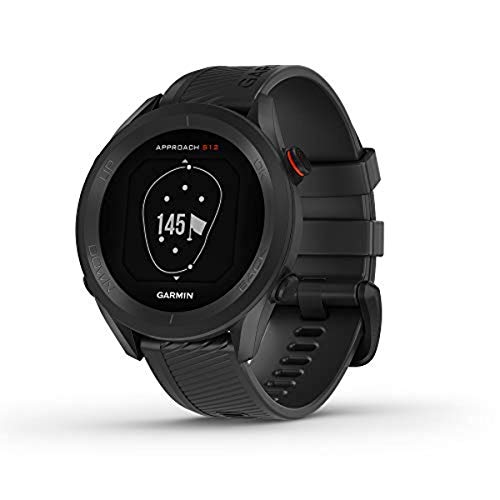
Factors to Consider
Course data accuracy and coverage
Screen readability and interface
Sunlight readability matters more than screen size. Seek a high-contrast display, intuitive menus, and quick-access distance reads with one-tap controls. A clutter-free map view and a clear green-view option help you read break lines and pin positions without breaking your swing tempo. If you prefer music, apps, or notifications, make sure those features don’t slow down the distance data you actually need on the course.
Battery life and charging flexibility
Battery life should comfortably cover at least a full round, preferably two, with the screen on and GPS active. Watches often run on multi-day battery life in GPS mode, while handhelds may require a recharge after around 18–36 holes depending on brightness and feature usage. Check charging options (USB-C or proprietary docks) and whether you can squeeze a quick charge between rounds if you’re traveling light.
Features, rules, and app ecosystem
Beyond distance to hazards and greens, look for features like auto course updates, shot tracking, and data export for practice analysis. If you’re playing in tournaments, confirm you can disable slope or other advanced features, since slope data is not allowed in many stroke-play events. A robust companion app that syncs rounds, stores history, and supports firmware updates adds measurable value over time.
Form factor, durability, and wearability
Decide between a wristwatch, a handheld unit, or a laser rangefinder with GPS overlays based on your preferences and bag setup. Water resistance and rugged construction matter for playing in sun, rain, or dew‑settled mornings. If you carry a lot of tech already, a lighter watch or a compact handheld may improve your everyday practicality without sacrificing distance accuracy.
Frequently Asked Questions
What’s the difference between a golf GPS watch, handheld GPS, and rangefinder?
GPS watches and handhelds provide distance to the green, hazards, and layups using satellite data, while a laser-rangefinder measures the exact distance to a specific target (usually the flag) with a beam. Watches are hands-free and great for all-day wear; handhelds often offer larger screens and sometimes more course data; rangefinders tend to be the most precise for a single shot distance but require aiming at the target. If you want speed and convenience on every hole, a watch or handheld GPS is usually enough; if you crave pinpoint pin distance for club selection, add a laser rangefinder.
Will the GPS device work on all my courses?
Most brands cover tens of thousands of courses, with updates released periodically. Preloaded data helps out-of-the-box, and you can typically download updates over Wi‑Fi or via a connected app. If you play rarely updated or niche courses, verify offline map support and update frequency before buying.
Are slope data and hazard data allowed in tournaments?
Slope data can be useful for practice and course management, but in many stroke-play events it is not allowed unless the device is configured to disable it. Hazard information is generally permitted as part of the distance and layout view, but always confirm local rules and tournament permissions before play.
How accurate are GPS distances?
On open fairways with clear satellite visibility, GPS distances are typically within a few yards of reality, often cited as 1–3 yards of error for green-to-green reads. Uphill, downhill, or heavily wooded shots can introduce larger variance; expect 5–10 yards of deviation in tricky terrain. Independent reviews often note that accuracy improves with good satellite reception and up-to-date course data.
How long does battery life last, and how can I extend it?
Battery life varies by device and mode, but most GPS watches cover multiple rounds per charge, while handhelds may need a recharge after a full day of use. In practice, you’ll extend life by using power-saving display settings, turning off smart features you don’t need, and charging between rounds when possible. Carrying a spare charger or a compact power bank is common for multi-day trips.
Do I need my phone to use a golf GPS device?
Many devices are fully standalone with preloaded course data, so you can use them without a phone. Some features—like automatic course updates, cloud backups, or advanced stats—may require pairing with a smartphone app. If you travel with limited connectivity, prioritize a unit with strong offline capabilities.
Can GPS devices help with the short game and club selection?
Yes, by giving you reliable distances to the pin and to hazards, you can make smarter club choices for approach shots. However, most GPS devices don’t measure spin or launch angle, so they won’t replace a launch monitor for optimizing your ball flight. Use the data to choose the right loft, then practice the shot at a controlled tempo to improve consistency.


