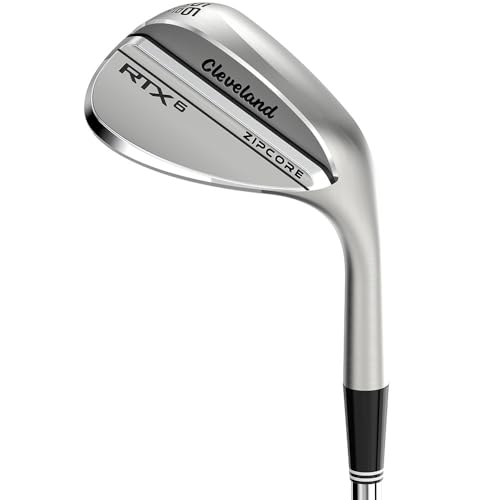
Golf Bags Vs Wedges Which Should You Buy In 2026
Golf Bags and Wedges sound like an odd comparison, but it is the kind of decision many golfers face when they finally have money to spend after a new set of irons, a fresh bag of balls, or a repair fund. One is the system that carries your clubs, balls, towels, and personal gear. The other is the club you reach for more often than you probably think when the round starts to matter. If you are deciding what to buy next in 2026, the answer depends on whether your biggest problem is organization, comfort, and transport, or whether your biggest problem is getting up and down from the short game.
This article is for golfers from 30-handicap beginners to single-digit players who want to understand what the gear actually does. If you want a cleaner round, not just a nicer-looking setup, you need to know which purchase changes how you play and which one changes how you carry. A good bag can make a round easier to manage. A good wedge can make a round easier to score. Those are not the same thing, and that difference is the whole point.
Table of Contents
- Quick Verdict
- About Golf Bags
- About Wedges
- Head-to-Head: Score Impact
- Head-to-Head: Fit and Setup
- Head-to-Head: Durability and Reliability
- Head-to-Head: Practical Value
- Who Should Choose Golf Bags?
- Who Should Choose Wedges?
- Our Verdict
- Frequently Asked Questions
- Sources & References
- Relevant Products for This Topic
Quick Verdict
Choose Golf Bags if...
- Your current bag is making your round harder to manage: clubs are tangled, pockets are full, or the bag is uncomfortable to carry or load.
- You play a lot of golf and want a better carry system, cleaner organization, or a more practical cart bag for frequent rounds.
- You are looking for equipment that improves convenience and course logistics, not a direct change in shot-making.
Choose Wedges if...
- Your biggest scoring leaks happen inside 120 yards, especially on chips, pitches, bunker shots, and short full swings.
- Your current wedge lofts are uneven, leaving you with yardage gaps between your pitching wedge, gap wedge, sand wedge, and lob wedge.
- You want to improve short-game consistency by matching loft, bounce, and grind to your swing and the shots you actually face.
| Factor | Golf Bags | Wedges |
|---|---|---|
| Relative Cost (source-bound only) | No source-bound price data is included here; bag cost varies by type, such as stand, cart, travel, or staff-style options. | No source-bound price data is included here; wedge cost varies by single club, matched set, finish, and grinding options. |
| Best For | Organization, comfort, transport, and keeping your gear separated during a round. | Scoring shots inside 120 yards, including chips, pitches, bunker shots, and high soft shots around the green. |
| Setup Difficulty | Low: choose a bag type that fits how you play, then organize it. | Higher: loft, bounce, and grind must match your swing, turf, and the shots you actually face. |
| Reliability | Mostly mechanical: zippers, pockets, stands, straps, and fabric durability. | Mostly performance-based: how the club behaves from different lies, turf conditions, and shot types. |
| Key Advantage | Makes the round easier to manage without changing how the ball is struck. | Can directly improve short-game scoring when the wedge is properly fitted to your game. |
| Main Drawback | It does not fix poor shot selection, poor wedge setup, or poor short-game technique. | A poorly chosen wedge can feel inconsistent on scoring shots even if the loft number looks correct. |
About Golf Bags
A golf bag is not a scoring club. It is the platform that carries your clubs and keeps your round from becoming a logistical mess. Golf-Clubs.com lists bags as a major category alongside clubs, and its bag options include stand bags, cart bags, travel bags, and push carts. PGA TOUR Superstore also separates wedges from bags, with bag options including stand and carry bags, cart bags, push and electric carts, staff bags, and travel and luggage. That separation matters: a bag solves problems of storage, transport, and comfort, not problems of launch angle, spin rate, or short-game distance control.
The practical value of a good bag shows up in small ways. A cart bag with better pocket organization can make it easier to find a ball marker, glove, or range finder. A stand bag with a better strap system can make a carry round less punishing. A travel bag can protect clubs between trips. A staff-style bag can help a player who wants a more structured layout for a full set of clubs. None of those choices will make a chip lower or a bunker shot softer, but they can make a round feel smoother and less cluttered.
The marketing hype around bags usually focuses on looks: color blocking, premium logos, exotic materials, and premium “tour” styling. Some of that is useful. Some of it is just aesthetic. If you are a beginner, a simple, durable bag with enough pockets and a stable layout is usually more valuable than a flashy bag that looks great on the cart but is awkward to use. If you are a single-digit player, a bag that keeps your wedges, putter, and accessories separated may save small amounts of time and mental energy over 18 holes. That is real value, but it is not the same as buying a club that changes your scoring.
About Wedges
Wedges are where a lot of rounds are won or lost. TGW says wedges decide more scores than any other club in the bag, and the shots that separate good rounds from frustrating ones happen inside 120 yards. That is the short game: chips, pitches, bunker shots, high soft shots, and short full swings where a single bad club choice can turn a two-putt into a three-putt, or a par into a bogey.
The biggest mistake most golfers make is buying wedges by loft alone. TGW identifies loft, bounce, and grind as the three variables that matter most when choosing a golf wedge. Loft tells you the general height and distance of the shot. Bounce and grind determine how the club interacts with the ground, which is critical when you are playing from turf, fairway rough, sand, or tight lies. A wedge that looks correct on paper can still feel wrong in your hands if the bounce is too high for your attack angle or too low for the turf you play on.
A clean wedge setup is usually about spacing lofts evenly to avoid yardage gaps. TGW says most players carry a gap, sand, and lob wedge with lofts spaced four to six degrees apart. Pitching wedges are typically 44 to 48 degrees and are usually matched to the iron set. Gap wedges are roughly 50 to 52 degrees and fill the distance between pitching and sand wedges. Sand wedges are around 54 to 56 degrees and serve as the standard bunker and full-swing scoring club. Lob wedges are 58 to 60 degrees and up and are used for high, soft shots around the green. If your lofts are clumped together, you may be left with awkward distances. If they are spaced well, you have a more predictable short game.
Head-to-Head: Score Impact
If the goal is to lower your score, wedges have the stronger claim. TGW says the shots that separate good rounds from frustrating ones happen inside 120 yards, and that is exactly where wedges do their work. A better wedge setup can give you more consistent distances, better control from bad lies, and more confidence when the round starts to tighten. That is direct score impact.
A golf bag does not change the ball’s flight. It can make a round more comfortable, but it does not lower a chip, soften a bunker shot, or remove a yardage gap. If your short game is the main reason you are not scoring better, a wedge is the more direct fix. If your round is already playable but your gear is disorganized, a bag may improve your experience without changing your handicap much.
Head-to-Head: Fit and Setup
Golf bags are easier to fit. You choose a type based on how you play: carry, cart, travel, or a more structured setup. You then organize it around your clubs and accessories. The main questions are practical: How many pockets do you need? Do you want a stand? Will it fit on your cart? Is the strap comfortable? Once it is set up, it does the same job every round.
Wedges require more thought. TGW recommends choosing wedges by matching head design to the player’s swing, turf, and the shots they actually face rather than relying on brand loyalty. That means a 56-degree wedge is not automatically the right 56-degree wedge. Bounce and grind matter because they determine how the club interacts with the ground, especially on scoring shots inside 120 yards. A beginner may benefit from a simpler, more forgiving setup. A lower-handicap player may need more specific grinding to handle tight lies, firm turf, or a particular bunker style. The fit is more technical, and the payoff is more technical.
Head-to-Head: Durability and Reliability
Bag reliability is mostly physical. You are looking for zippers that do not fail, fabric that holds up, straps that do not stretch out, and a stand or frame that stays stable. A good bag should feel solid after a few rounds and still look usable after a season. The failure points are obvious: a broken zipper, a torn pocket, a weak stand leg, or a strap that slips. If a bag fails, the round becomes annoying, but the ball still flies the same.
Wedge reliability is performance-based. A wedge can look new and still feel inconsistent if the grind is wrong for your swing or the conditions you play in. A wedge with too much bounce may plug in soft turf or sand. A wedge with too little bounce may dig on open-faced chips or in firm conditions. The club may not be broken, but it may not be working for you. That is why wedge selection is less about “does it look nice” and more about “does it help me get up and down more often.”
Head-to-Head: Practical Value
A golf bag has practical value if your current setup is hurting your round. If your clubs are tangled, your balls are lost in a pocket, or your bag is uncomfortable to carry, a better bag can make every round easier. For frequent players, that convenience adds up. For casual players, a simple, durable bag is usually enough. The value is real, but it is mostly quality-of-life value.
A wedge has practical value if your short game is costing you strokes. A properly spaced wedge set can remove distance gaps and give you more confidence on the shots that decide pars, birdies, and bogeys. If you are already comfortable with your wedges and your lofts are well spaced, buying another wedge may not improve your score. If your wedges are mismatched, worn, or poorly suited to your swing, a better wedge setup can be one of the most useful upgrades in the bag.
Who Should Choose Golf Bags?
Choose a golf bag if your biggest issue is organization, comfort, or transport. If you carry your bag and your current one is heavy, awkward, or poorly balanced, a better stand or carry bag can make a round easier. If you play from the cart and your bag is cramped, messy, or hard to load, a better cart bag can save time and reduce frustration. If you travel with your clubs, a proper travel bag can protect your equipment. If you want a cleaner setup on the course, a bag is the right purchase. But do not expect a bag to fix your short game. It will not change your launch angle, spin rate, or ability to hold a line on a chip.
Who Should Choose Wedges?
Choose wedges if your biggest issue is scoring inside 120 yards. If you are leaving short, missing greens, struggling in the bunker, or feeling unsure between your pitching wedge and gap wedge, a better wedge setup is likely the more important buy. If your lofts are not spaced evenly, you may be creating yardage gaps that make your short game feel inconsistent. If your bounce and grind do not match your swing or the turf you play on, your wedges may feel unreliable even when the loft numbers look right. A wedge upgrade is not about looking good on the bag. It is about giving you more control on the shots that decide your round.
Our Verdict
If you have to choose between a golf bag and a wedge in 2026, choose the wedge first if your goal is to lower your score. TGW says wedges decide more scores than any other club in the bag, and the short game is where most strokes are gained or lost. A properly chosen wedge, with the right loft, bounce, and grind, can directly improve your chips, pitches, bunker shots, and high soft shots around the green. A bag is important, but it is a support tool. It makes the round easier to manage; it does not make the ball stop closer to the hole. Buy a bag when your current one is uncomfortable, disorganized, or no longer practical for the way you play. Buy wedges when your short game is costing you strokes. For most golfers, the wedge is the higher-impact purchase.
Frequently Asked Questions
Should I buy a new bag or new wedges first?
Buy new wedges first if your short game is costing you strokes. Buy a new bag first if your current bag is uncomfortable, disorganized, or no longer practical for how you play. Wedges affect scoring directly; bags affect convenience and comfort.
Do I need a full wedge set?
Not necessarily. A clean setup usually means spacing lofts evenly to avoid yardage gaps. Many players carry a gap, sand, and lob wedge with lofts spaced four to six degrees apart. The goal is not to own every wedge, but to have the right distances covered without awkward gaps.
Is loft the only thing that matters in a wedge?
No. TGW identifies loft, bounce, and grind as the three variables that matter most. Loft affects the general height and distance of the shot. Bounce and grind affect how the club interacts with the ground, which is especially important on scoring shots inside 120 yards.
Can a golf bag improve my score?
Indirectly, yes, if your current bag is making your round harder to manage. A better bag can improve organization, comfort, and access to your gear. But it will not change your shot-making. If your score is suffering from poor short-game execution, a wedge is the more direct upgrade.
What wedge lofts should I look at first?
Start with the lofts that cover your short game. Pitching wedges are typically 44 to 48 degrees, gap wedges are roughly 50 to 52 degrees, sand wedges are around 54 to 56 degrees, and lob wedges are 58 to 60 degrees and up. The best setup depends on your iron set, your distances, and the shots you actually face.
Sources & References
Relevant Products for This Topic
As an Amazon Associate we earn from qualifying purchases at no extra cost to you.