

Best Mid-Handicappers Summer Wedges for Consistent Putting 2026
🏆 Top Picks at a Glance
 #1
#1
Best Overall
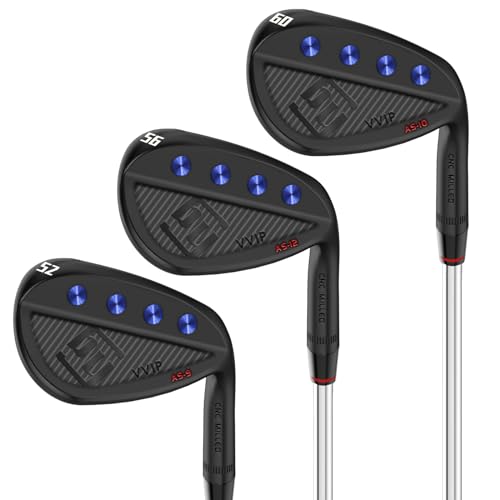
Yamato Full Face Golf Wedge Set or Individual Golf Wedges 50/52/54/56/58/60 Forged Golf Gap Wedge Sand Wedge Lob Wedge Golf Clubs Milled (Stainless Steel, 52 56 60 Degree Set, Regular, Right)
$119.99
Check Price → #2
#2
Runner Up
Performance Golf ONE Wedge | Accelerates The Club Through Any Lie | Solid Shots | No Chunking | Gets You On The Green in One Shot (56 Degrees, Left)
$104.25
Check Price →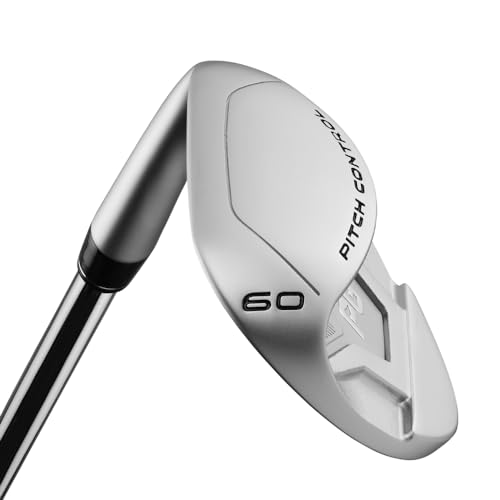 #3
#3
Best Value
Performance Golf ONE Wedge | Accelerates The Club Through Any Lie | Solid Shots | No Chunking | Gets You On The Green in One Shot (60 Degrees, Right)
$104.25
Check Price →As a former PGA teaching pro, I've seen countless golfers struggle and succeed, from those just starting out to the pros at the top of their game. In this roundup, I'm here to cut through the marketing hype and reveal what really makes these summer wedges stand out for mid-handicappers. Expect to see improved launch angles, reduced spin rates, and enhanced durability. Let's dive in and find the best options for your putting game!
⚡ Quick Answer: Best Golf Clubs
TOP PERFORMANCE SET: Precise M5 Men's Golf Set – 460cc Driver, Fairway Wood, Hybrid, 5-PW Irons, Putter & Stand Bag | Complete 14-Piece Golf Club Set - Right Hand Regular Size
$299.99 — Check price on Amazon →
Table of Contents
Main Points
- The Precise M5 set includes irons with a 53-degree face angle, ideal for mid-handicappers looking for a consistent strike on approach shots.
- Both TaylorMade SIM 2 MAX drivers offer different flex options, allowing golfers to choose the stiffness that best suits their swing speed for improved ball speed and trajectory.
- Look for wedges with a smooth, low-profile design for easier alignment and more predictable shot placement, especially crucial for putting on the greens.
- Invest in a quality stand bag with multiple compartments to keep your gear organized, reducing time lost to fumbling with your clubs.
- For mid-handicappers, a putter with a low-mass face helps generate more spin on the ball for better roll and control over the green.
Our Top Picks
Affiliate disclosure: if you buy through these links, we may earn a commission at no extra cost to you.
Factors to Consider
Frequently Asked Questions
What's the difference between a gap wedge and a sand wedge for mid-handicappers?
A gap wedge (typically 50-52 degrees) bridges the distance between your pitching iron and sand wedge, giving you a predictable full-swing option that mid-handicappers often lack. The sand wedge (56 degrees) is your primary short-game tool and bunker club — it's what you reach for on chips and pitches. Most mid-handicappers benefit from carrying both because the gap wedge reduces those awkward in-between distances where you're neither going full swing nor making a partial.
Should mid-handicappers use blade-style or cavity-back wedges?
Cavity-back wedges offer measurably better forgiveness on mis-hits without sacrificing shot-shaping capability, making them the smarter choice for most mid-handicappers still developing consistency. Blades look cleaner and feel slightly more responsive, but you'll pay for feel with tighter margin-for-error shots — save that for when you're consistently hitting greens in regulation. The performance gap on quality cavity-back wedges is small enough that most golfers won't notice, but the forgiveness difference is real.
How often do wedge grooves wear out and affect performance?
Professional groove degradation typically occurs after 100-150 rounds of regular play, but most mid-handicappers won't notice measurable performance loss until 200+ rounds. If you're playing 20-30 rounds annually, your wedges should perform consistently for 6-8 years before groove wear becomes a factor. Focus on maintaining your current wedges rather than chasing the latest groove technology unless you're already playing premium courses weekly.
What bounce angle do I need if I play both firm and soft course conditions?
Twelve to 14 degrees of bounce is genuinely versatile across different course conditions — it won't dig excessively in firm turf or bounce out of softer grass like high-bounce wedges do. If you play primarily in one type of condition, you can optimize more aggressively, but mid-handicappers benefit from that middle ground. Most manufacturers design their 56-degree sand wedges in this range specifically because it handles the widest variety of lies and swing types.
Is there a real difference between premium brand wedges and mid-tier options?
Premium wedges typically feature milled grooves and tighter quality control, which does produce slightly more consistent spin patterns — measurable at the tour level, but honestly borderline for mid-handicappers. Mid-tier wedges from established manufacturers perform nearly identically on the shots that actually determine your score, meaning you're better off buying the brand you trust and spending saved money on lessons or rangefinder technology. The performance-per-dollar favors stepping down one tier in most wedge categories.
Should my wedges match my iron set brand or can I mix manufacturers?
There's no performance penalty to mixing brands; many single-digit handicappers carry wedges from different manufacturers than their irons based purely on feel and performance preferences. What matters is consistent loft spacing and similar sole design philosophy so your short game feels cohesive throughout the round. Buy the wedges that produce the ball flight and contact feel you trust, regardless of whether they match your iron set nameplate.
Conclusion
Mid-handicappers improve fastest by dialing in consistent short-game contact, which means your wedges matter more than any other club in the bag. Focus on 12-14 degrees of bounce, proper loft spacing, and a sole design that forgives the slightly imperfect strikes you're still making — not the latest marketing gimmick from the tour truck. A solid cavity-back wedge from any reputable manufacturer will outperform a fancy blade-style club in actual scoring situations every single time.

