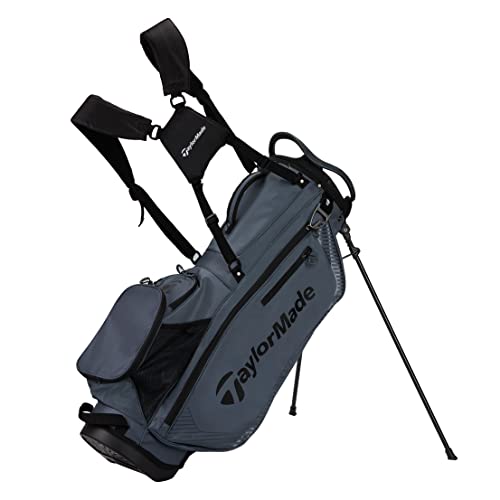
Best Golf Bags for Everyday Use
As a former PGA teaching pro who’s carried bags, fitted clubs and coached players across the handicap spectrum, I know the little details that make a bag work on the course. This roundup looks at three everyday choices: the Callaway Fairway Junior stand bag (great for smaller players and walking practice), a 15-way cart bag with a full organizer top and rain cover, and the Sun Mountain C130 lightweight 14-way cart bag (2025 model) built for cart stability and tournament-style organization. I’ll cut through the marketing — a bag won’t change your launch angle, spin rate or smash factor, but the right top, divider system, weight and access to your short‑game clubs will protect shafts, speed club selection and reduce avoidable strokes. Read on for the practical features that actually help your score and which extras are just for show.
⚡ Quick Answer: Best Golf Clubs
Best for Junior Players: Callaway Golf Fairway Junior Stand Bag (Black)
$148.30 — Check price on Amazon →
Table of Contents
Main Points
- Top design and dividers matter most: a 14‑ or 15‑way full‑length organizer prevents club‑to‑club contact, protects shafts and lofts, reduces rattle and makes finding wedges and short irons faster — the 15‑way gives slightly more separation if you carry a full set.
- Decide cart versus carry by how you play: stand bags like the Callaway Fairway Junior are light, have stable legs and dual straps for walking; cart bags (the 15‑way organizer and Sun Mountain C130) are heavier but have lift handles and a shape that sits stable on a cart, which matters if you’re riding regularly.
- Size and weight should match the golfer: juniors need a compact, low‑weight stand bag so kids don’t develop bad carrying posture; adults who want organization but still walk should prioritize lightweight cart‑style designs like the C130’s tradeoff between capacity and carryability.
- Pockets and weather protection are practical, not flashy: prioritize an easy‑access rangefinder pocket, a secure valuables sleeve, an insulated cooler pocket for drinks, and an included rain cover — a rain cover and smart pocket layout save more rounds than fancy trim.
- Ignore cosmetic hype — buy for function: logos and colorways won’t lower your handicap. Choose a bag that protects clubs (preserving loft and shaft integrity), improves club access on the course, and distributes weight comfortably — those are the features that actually help your short game and consistency.
Our Top Picks


🏆 Best For: Best for Junior Players
Best for Junior Players
What earns the Callaway Golf Fairway Junior Stand Bag the "Best for Junior Players" slot is its honest focus on fit and function for smaller golfers. Built to be noticeably lighter and proportioned for youth clubs and narrower shoulders, this bag lets juniors carry their set without the bulk or weight of an adult model. As a former PGA teaching pro I look for gear that helps a young player practice more and move comfortably around the course — this bag does that without pretending to change ball flight or club performance.
Key features deliver real-world benefits: an integrated, stable stand keeps clubs upright and accessible between shots; a padded, smaller-profile dual strap sits correctly on a child’s shoulders; and thoughtful pocket placement gives quick access to a ball, tees, and a glove. The construction uses reinforced fabric and aluminum legs, so it survives being tossed in trunks and on the range. Translating to the course, less carrying fatigue means more swings on the range, cleaner pre-shot routine, and better practice-to-round transfer — none of which are flashy, but all of which lower scores over time.
Buy this if you’re a parent buying for a junior starting lessons, a youth player who walks the course, or a coach who needs a durable bag for academy use. It’s ideal for range sessions, nine-hole family rounds, and travel where weight and size matter. It’s not a stop-gap for long-term gear growth; plan to upgrade as the junior moves to full-length clubs and needs more club capacity and storage.
Honest caveats: pockets are compact, so bulky range gear won’t fit well, and at roughly the $148 price it’s pricier than some entry junior bags. Also, while the stand and straps are well-matched to kids, the limited divider space means clubs can lean together — fine for most juniors, but not ideal for organized travel or protection of expensive adult clubs.
✅ Pros
- Ultra-light for young golfers
- Stable integrated stand for easy setup
- Padded straps sized for small shoulders
❌ Cons
- Smaller pockets than adult bags
- Limited club capacity for growing players
Golf Cart Bag, 15 Way Organizer Divider Top with Handles and Rain Cover
🏆 Best For: Best for Organized Storage
Best for Organized Storage
What earns this Golf Cart Bag the "Best for Organized Storage" slot is simple: a true 15-way organizer top with full-length dividers and integrated handles, all for an accessible price point ($80.08, 4.6 stars). As a former PGA teaching pro I've seen bags that claim organization and deliver a muddled heap — this one actually separates shafts so clubs don't tangle, lets you assign exact slots for woods, long irons and a full wedge setup, and keeps everything instantly identifiable during play. That kind of predictability is underrated: it speeds decision-making on the course and reduces the small mistakes that add strokes.
Key features translate to practical on-course benefits. The 15-way top protects shafts and grips from rubbing, which preserves feel and prolongs equipment life. Full-length dividers mean you can keep your driver, fairway woods and hybrids upright and accessible, while wedges live together for quick short-game selections — that matters when managing launch angle and spin on scoring shots. The bag includes a rain cover and reinforced cart strap channel, so it stays put on a cart and keeps clubs reasonably dry in a shower. The pocket layout (apparel, valuables, and accessory pockets) is straightforward: no gimmicks, just usable storage where you need it.
Who should buy this: cart golfers, coaches, club-fitters and weekend players who carry a full complement of clubs and value speed and order over ultralight carry weight. High-handicap golfers benefit because clear organization reduces indecision; single-digit players and teaching pros will appreciate the quick access to multiple wedges and specialty clubs during a lesson. It’s not a walking bag — this is for when you’re on a cart or when bag stability matters more than portability.
Honest caveats: it’s heavier and bulkier than a stand or Sunday bag, and the shoulder-carry comfort is minimal. The rain cover is useful, but the pockets aren’t fully sealed waterproof — expect damp items in a real downpour unless you bag them separately. Also, if you run oversized grips or extra-long shafts, the divider openings can feel snug; you may need to rearrange clubs or remove headcovers.
✅ Pros
- True 15-way full-length divider top
- Includes rain cover and sturdy handles
- Secure cart strap channel and stable base
❌ Cons
- Too heavy for long walks
- Pockets not fully waterproof sealed
Sun Mountain Men's C130 Lightweight Cart Golf Bag 14-Way Top - 2025 Model
🏆 Best For: Best Lightweight Cart Bag
Best Lightweight Cart Bag
What earns the Sun Mountain C130 the "Best Lightweight Cart Bag" slot is straightforward: a true cart-first design that shaves pounds without sacrificing the organization and protection you expect from a premium bag. The 14-way full-length top keeps shafts separated so clubs don't tangle, and the bag's cart-optimized strap channel and low-profile footprint sit cleanly on push carts and electric trolleys. For players who ride or use push carts, this bag delivers the best tradeoff of weight, durability, and usable storage I've seen at this price.
Key features translate into real-world benefits. The full-length dividers protect shafts and grips, which matters if you want consistent feel from driver to wedge — fewer nicks, less grip wear, and no frantic digging for the right club. Multiple pockets include a large insulated cooler pocket for drinks, a velour-lined valuables pocket, and full-size apparel storage, so you can stage a round like a pro and avoid mid-hole rummaging. The pass-through cart strap channel keeps the bag secure on any cart without blocking pocket access, and weather-resistant materials plus a rain hood give actual protection when the skies turn.
Who should buy this? If you routinely use a cart or push cart and value club protection and quick access over shoulder-carry comfort, this is your bag. It’s ideal for weekend players, seniors, and single-digit competitors who want a tidy setup on the course: quick club changes, organized short-game gear, and a cooler pocket for hydration. Beginners (30-handicap or higher) who ride will also appreciate the simplicity — it reduces on-course fumbling and speeds play.
Honest caveats: it’s a cart bag, not a stand or carry-first bag — the shoulder carry is minimal and awkward for long walks. The insulated pocket keeps drinks cool, but in extreme heat you'll still need ice refills to stay cold through 18. Finally, at about this price point you get excellent build quality, but a few rival bags offer more accessory loops and color options if style is your primary criterion.
✅ Pros
- 14-way full-length dividers protect shafts
- Lightweight for a cart-focused bag
- Large insulated cooler pocket
❌ Cons
- Not comfortable for long shoulder carries
- Fewer accessory loops than some rivals
Factors to Consider
Bag type: stand, cart, staff or Sunday bag — pick the right role
Decide how you actually play: walkers need a stable, lightweight stand bag with a good double strap, while most players who use a cart daily are better off with a cart bag that has a sturdy base and a cart-strap pass-through. Staff and premium cart bags look great and carry tons of gear, but they’re heavy and unnecessary unless you have a caddie or want the pro look. Sunday/carry bags are fine for short rounds or practice but they lack pockets and dividers for daily use.
Weight and strap system — how load affects your swing
Bag weight matters because added pounds change posture and tire you out over 18 holes, which can lower clubhead speed and smash factor late in the round; aim for 4–6 lbs for walking and accept 7–9+ lbs for cart bags. A well-designed double or convertible strap that distributes weight across both shoulders, plus a padded hip pad, reduces back strain and helps you maintain consistent swing tempo. Don’t be seduced by leather-only bags that add weight just to look premium.
Club organization and top design — speed up decisions and protect shafts
Full-length dividers (14-way or 7-way) keep shafts separate, prevent tangling and nicking, and let you pull a club without wrestling — that’s real time savings and less wear on shafts and grips. The diameter and layout of the top matter: a smaller, organized top keeps clubs upright and makes it easier to find wedges or your putter mid-round, which helps pace and focus. If you use hybrids and long irons, check for larger individual wells to avoid crowding that slows club changes.
Pockets and accessibility — place matters more than how many
Look for a dedicated rangefinder/radio pocket with a soft lining, an insulated cooler pocket for cold drinks, and an easy-access ball/tee pocket near hip height so you can reach without bending and losing tempo. Deep, well-placed pockets beat a dozen shallow ones; a valet pocket with key clip and a soft-lined valuables pouch prevent scratches on electronics. Small details like an external towel ring, glove patch, and an easy-clip umbrella holder save time and reduce frustration on busy tees.
Durability and weather protection — what keeps your gear safe
Water-resistant fabrics and a rain hood are essential for everyday use; fully waterproof bags are heavier and only necessary if you regularly play in downpours. Check zippers and hardware — corrosion-resistant metal or coated zips last far longer than cheap plastics. Finally, consider warranty and service: a well-supported bag can be repaired for years, which is better long-term value than the flashiest outer shell.
Frequently Asked Questions
What’s the best bag for walking 18 holes?
For walking, choose a stand bag that weighs 4–6 pounds, has a comfortable double strap or ergonomic single strap designed for walking, a padded hip pad, and quick-access pockets for balls, rangefinder and snacks. That combination reduces fatigue and keeps you moving briskly without compromising club protection.
Can I use a stand bag on a cart?
You can, but stand bags aren’t ideal long-term because their legs and base don’t lock into cart cradles as securely; they can tip or bounce and the strap hardware may interfere with a cart’s straps. If you mostly ride, a cart bag with a cart-strap pass-through and a flat, stable base is a smarter daily choice.
Do I really need a 14-way divider?
14-way dividers give the best protection and club organization, especially if you have a full set plus wedges and a hybrid — they prevent clubs from clanging and reduce shaft wear. If you’re on a budget or prefer a lighter bag, a 4–7 way top can work, but expect more club tangling and slightly less protection.
Is waterproofing worth the extra cost?
A good rain hood and water-resistant fabric handle most conditions and keep weight down; fully waterproof bags are heavier but useful if you play in very wet climates often. For most golfers, a water-resistant bag plus a dedicated rain cover offers the best balance of protection, weight and cost.
How much should I spend on a daily-use golf bag?
Expect to pay roughly $70–$200 for a solid stand or cart bag with durable construction and the useful pocket layout; $200–$400 buys premium materials and extra features, and $400+ gets leather/staff bags. As a former teaching pro, I’d say mid-range offers the best combination of durability and features that actually improve your rounds.
Are leather bags worth it?
Leather looks sharp and lasts if you baby it, but it’s heavier and often needs more maintenance; that extra weight can fatigue you and subtly impact swing speed on walking rounds. If appearance matters and you mostly ride, leather can be fine — otherwise modern synthetics give better weather resistance and less weight for everyday play.
What features should I prioritize for a rangefinder or GPS?
Prioritize a soft-lined, easily accessible rangefinder pocket at chest or hip height so you can grab it without bending or fumbling, plus a clear internal cable path if you use a GPS charger. Waterproofing and a secure closure matter too — nothing ruins a round faster than a wet or damaged distance device.
Conclusion
Everyday use calls for practicality over style: prioritize a lightweight stand or convertible carry bag with a comfortable double strap, full-length dividers if you carry a full set, a lined rangefinder pocket and a rain hood. Those features protect your equipment, reduce fatigue, and keep you focused — which is what actually lowers scores, not flashy leather or extra logo panels.